






Rubbish removal Brixton Market Coldharbour Lane tips
Posted on 03/07/2026
If you live, work, trade, or just spend a lot of time around Brixton Market and Coldharbour Lane, rubbish can become one of those small problems that turns into a bigger one very quickly. A few bags left too long, a bulky item blocking a hallway, or builders' waste piled near a busy frontage can affect access, smell, safety, and even how smoothly your day runs. These Rubbish removal Brixton Market Coldharbour Lane tips are here to make the process simpler, quicker, and far less stressful.
In this guide, you'll find practical advice on how rubbish removal works in this part of Brixton, what to watch for, when a local clearance service makes sense, and how to avoid the classic mistakes that cost time and money. We'll also cover compliance, safety, recycling, and a few local realities that people often miss. Truth be told, the streets around Brixton can be lively and busy; that's part of the charm, but it also means rubbish needs handling with a bit of thought.
Key takeaway: plan the clearance, separate waste properly, choose the right collection method for the job, and don't leave heavy or awkward items until the last minute. Small bit of organisation goes a long way.
For a wider look at the company's local services, you may also find the services overview useful, especially if you're comparing household, office, garden, or builders' waste needs.
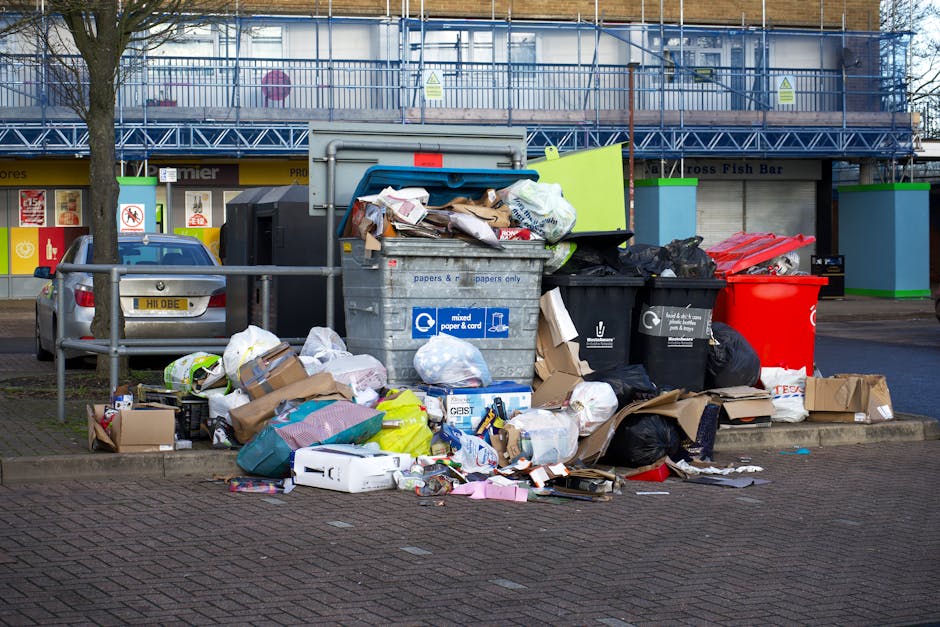
Why Rubbish removal Brixton Market Coldharbour Lane tips Matters
Brixton Market and Coldharbour Lane sit in one of those neighbourhoods where footfall, deliveries, and daily activity never really switch off. That's good for business and culture, but it means waste left in the wrong place tends to become everyone's problem. A broken chair outside a unit, flattening cardboard in the wrong spot, or overfilled bags on a narrow pavement can create obstruction, attract pests, and make the whole area feel untidy.
There's also a practical side. If you're moving out of a flat, clearing a shop storeroom, or dealing with renovation leftovers, the wrong disposal approach can mean multiple trips, awkward lifting, or waiting around for the wrong collection window. A smarter plan keeps things moving. And around Coldharbour Lane, where traffic, pedestrians, and mixed-use properties all overlap, timing matters as much as muscle.
If you want a better sense of the local setting and everyday rhythm of the area, the article on Brixton from a resident's point of view is a helpful companion read. It gives context to why local waste handling needs to be calm, tidy, and considerate.
One more thing: good rubbish removal is not just about "getting rid of stuff." It's about keeping access clear, protecting neighbours, and making sure reusable or recyclable materials don't end up in the wrong stream. That part is often overlooked, and then people wonder why the job feels harder than it should.
How Rubbish removal Brixton Market Coldharbour Lane tips Works
At a practical level, rubbish removal in this area usually follows a simple pattern: assess what needs going, separate it sensibly, choose the right service, and arrange a collection time that fits the site. The details change depending on whether you're handling domestic waste, shop waste, builders' rubble, or office clearance items.
Here's how it typically works in real life:
- Sort the waste type. General household rubbish, mixed junk, green waste, furniture, and construction debris should not all be treated the same.
- Estimate the volume. A few black bags is a different job from a van-load of broken shelving or bulky shop fittings.
- Check access. Narrow entrances, stairs, loading restrictions, and shared courtyards all affect the plan.
- Book the right collection method. A man-and-van style pickup may suit some jobs, while heavier clearance may need a more structured service.
- Prepare for safe handover. Keep the route clear, label anything sensitive, and move personal items aside before the team arrives.
Sometimes people assume rubbish removal is only for "big" jobs, but that's not really how it plays out. A small clearance can still be annoying if it blocks a passage or delays opening time. On the flip side, one careful booking can make a whole site feel manageable again.
If you're planning a broader clearance, the local rubbish removal service in Brixton is worth considering alongside more specific options such as waste clearance or, where needed, house clearance in Brixton. Different jobs, different pace, same goal: clear it properly the first time.
Key Benefits and Practical Advantages
The obvious benefit is getting the rubbish out of the way. But the real value is in everything that happens around that: better access, less stress, fewer delays, and a much tidier environment.
- Faster turnaround: especially useful for landlords, shop owners, and people working to a move-out deadline.
- Less physical strain: bulky items, old appliances, and heavy bags are no joke on stairs or in tight hallways.
- Cleaner surroundings: important for frontages, customer-facing units, and shared residential spaces.
- Reduced disruption: a planned removal can be less noisy and chaotic than several DIY trips.
- Better recycling outcomes: if items are sorted well, more can be diverted from general waste.
- Safer handling: broken glass, sharp fittings, and awkward loads are easier to deal with when you're organised.
There's also a subtle benefit that people don't always mention: peace of mind. You know what's going, when it's going, and who's handling it. That matters when you're juggling work, family, or a moving day that already feels like a small circus.
For property owners and those renovating nearby, local context matters too. Articles like buying in Brixton and investing in Brixton real estate show just how closely cleanliness, usability, and property value can be linked. It's not glamorous, but it is real.
Who This Is For and When It Makes Sense
This guide is useful for a surprisingly wide mix of people. Not just homeowners with a van full of old furniture. Around Brixton Market and Coldharbour Lane, the most common users tend to be:
- Local residents clearing a flat, basement, loft, or hallway clutter.
- Shop owners and traders who need regular or one-off waste removal after a refit, stock change, or closure.
- Landlords and agents dealing with end-of-tenancy leftovers.
- Builders and decorators with renovation debris, packaging, timber, or broken fixtures.
- Office managers looking to dispose of desks, chairs, filing items, or old equipment.
- Garden owners with cuttings, soil, branches, and outdoor waste after a tidy-up.
It makes sense when the job is too awkward for standard bins, too bulky for casual trips, or too time-sensitive to leave to chance. If you're staring at a pile and thinking, "I'll sort that next weekend," that may be the sign. Let's face it, next weekend has a habit of disappearing.
For more specialised jobs, it can help to compare builders' waste disposal with garden waste removal and office clearance. Each one has its own practical shape, and that shape matters.
Step-by-Step Guidance
If you want the process to feel smooth rather than chaotic, follow a simple order. It sounds basic, but the basic stuff is what saves you in the end.
1) Identify what needs to go
Walk through the space slowly and make separate piles if possible. Keep general waste apart from reusable items, recycling, electricals, and anything sharp or hazardous-looking. If you're unsure about a material, leave it aside and ask about it later rather than mixing everything together.
2) Decide what can be reused or donated
Some furniture, fixtures, and equipment may still have life in them. Even a scratched table or a slightly worn shelf can be useful elsewhere. Reuse decisions reduce waste and often reduce volume, which is good for both cost and sustainability.
3) Measure access points
This is the bit that gets forgotten. Can a large item get through the door? Is there a narrow stairwell? Is parking possible nearby? Around Coldharbour Lane, access can be straightforward in one building and awkward in the next. A quick check avoids last-minute surprises.
4) Choose the right disposal route
For light loads, general waste collection may be enough. For mixed waste or bigger clearances, a full rubbish removal service is usually more efficient. For business sites, it may be worth arranging a service that can handle a mix of office furniture, packaging, and general waste without making the day drag on.
5) Prepare the space
Put aside anything private, fragile, or valuable. Clear hallways where possible. Keep pets and children away during collection. If you're in a shared building, a small notice to neighbours can be thoughtful, especially if the job involves noise or temporary access blockages.
6) Confirm expectations before collection
Make sure you know what's included, what waste types are accepted, and whether the job is quoted by volume, labour, or something else. A five-minute conversation can save a lot of confusion later.
One useful rule of thumb: if an item makes you hesitate because it is too heavy, too awkward, or maybe a bit grimy, it is probably better handled as part of a planned collection rather than a quick DIY disposal attempt. That's not laziness. That's judgement.
Expert Tips for Better Results
Here's where a bit of local experience helps. Rubbish removal is rarely complicated, but there are small choices that make a big difference.
- Bundle similar items together. Cardboard with cardboard, timber with timber, and general junk separately where possible. Faster to load, easier to sort.
- Keep the front of the property clear. If a collection crew can access the waste easily, the whole job tends to run more smoothly.
- Book around trading hours. If you run a business near Brixton Market, avoid the busiest handover times if you can. Even an extra thirty minutes makes a difference.
- Photograph tricky loads. It helps set expectations and avoids awkward guesswork. Not every job needs it, but it can be useful.
- Think in loads, not just items. One sofa plus two chairs may sound small, but it can take up more space than expected.
- Ask about recycling routes. You want items handled responsibly, not just removed quickly.
A small practical tip that people love to ignore: keep a marker pen and tape nearby if you're sorting items into "keep," "go," and "unsure." It sounds minor. It isn't. Mixed piles create mixed-up minds, and mixed-up minds slow everything down.
If recycling and diversion matter to you, have a look at the company's recycling and sustainability approach. That section is especially helpful if you care about what happens after the van drives away. Which, to be fair, you probably should.
Common Mistakes to Avoid
A lot of rubbish removal problems are self-inflicted. Harsh, but true. The good news is they're easy to avoid once you know what they look like.
- Leaving everything until the final hour. This is the classic one. It turns a manageable job into a rushed one.
- Mixing all waste together. It can complicate handling and make sorting harder.
- Ignoring access issues. A bulky item on a narrow stairwell can become a genuine headache.
- Forgetting about heavy or sharp items. Broken glass, metal edges, and old fittings deserve more care than they get.
- Assuming "any waste is fine." Different waste streams need different handling.
- Underestimating the volume. Most people do, and then they don't. It's a funny little human pattern.
Another mistake is booking the wrong kind of service for the job. A domestic declutter, a retail refit, and a builders' strip-out all have different needs. If you're handling a larger commercial or mixed-use clearance, it may be better to start from the broader services overview and narrow it down from there.
Tools, Resources and Recommendations
You do not need a garage full of gadgets to manage rubbish removal well. A few simple tools go a long way.
| Tool or resource | Why it helps | Best for |
|---|---|---|
| Heavy-duty gloves | Protects hands from sharp edges and grime | Loft clears, garden waste, general sorting |
| Marker pen and labels | Helps separate keep, donate, recycle, and remove piles | House clearances and office moves |
| Strong bags or boxes | Makes lifting and stacking simpler | Light mixed rubbish and loose items |
| Measuring tape | Checks whether large items will fit through access points | Furniture and bulky waste |
| Phone camera | Records awkward loads or access routes | Quotes, planning, and preparation |
One recommendation that often pays off is to think in zones. Don't clear the whole room at once if that will overwhelm you. Start with one corner, one shelf, or one category. It's boring advice, admittedly, but boring advice is often the advice that works.
For people deciding between a few clearance needs, the most relevant pages are usually the specific ones: house clearance, office clearance, and builders' waste disposal. They help match the job to the method instead of forcing one generic approach.
Law, Compliance, Standards, or Best Practice
Rubbish removal in the UK sits within a framework of common-sense duties and proper waste handling expectations. You do not need to become a legal expert, but you do need to be careful. Waste should be passed to a responsible operator, and you should avoid fly-tipping, unsafe storage, and careless disposal of items that need special handling.
As a customer, the best practice is simple: use a provider that takes safety seriously, handles waste responsibly, and is transparent about how items are managed. If a company is vague about insurance, payment, or what happens to collected waste, that's worth pausing over. It may still be fine, but you should ask questions first.
Useful trust markers include:
- Clear explanations of what the service includes
- Transparent pricing and quote structure
- Appropriate attention to safety and access
- Respect for recycling and responsible disposal
- Professional handling of furniture, mixed waste, and awkward loads
If you value this kind of reassurance, the pages on insurance and safety and terms and conditions are worth a careful read. They help set expectations before booking, which is always the smarter move.
And a small but important note: if anything in your pile looks hazardous, don't guess. Keep it separate and ask for advice. Better safe than sorry. Every time.
Options, Methods, or Comparison Table
Different rubbish removal methods suit different situations. Here's a simple comparison to help you choose without overthinking it.
| Method | Best for | Pros | Limitations |
|---|---|---|---|
| DIY trips | Very small amounts of waste | Low direct cost, flexible timing | Time-consuming, physical effort, multiple journeys |
| Man-and-van collection | Mixed household or light commercial rubbish | Quick, convenient, less lifting for you | Access and volume need clear planning |
| Full clearance service | Large, awkward, or time-sensitive jobs | Efficient, organised, suitable for bulky items | May be more than you need for tiny loads |
| Specialist waste disposal | Builders' debris, garden waste, office items | Better matched to the waste type | Not always the simplest option for general clutter |
In plain English: if it's a couple of bags, you may not need a big operation. If it's a room full of odd bits, a shop refit, or a clearance with stairs and tight corners, structured help is usually the saner choice. No drama. Just practical thinking.
Case Study or Real-World Example
Picture a small independent trader near Brixton Market preparing for a refit. The back room has old shelving, broken packaging, a few damaged display pieces, and a pile of mixed waste that has been building up for weeks. Nothing dramatic, but enough to slow the whole project down.
The first temptation is to chip away at it after closing time. That usually means dragging bits out over several evenings, making the place messier before it gets cleaner. In this sort of situation, a better approach is to sort the items into three groups: keep, recycle, remove. Then the trader books a local clearance slot for a quieter period, clears access in advance, and keeps the valuable stock separate from the junk.
The result is not just a cleaner back room. The refit starts on time, the front area stays more presentable, and staff are not tripping over piles of old material. It's a small operational win, but a meaningful one. And that is how rubbish removal often works in practice: not as a big dramatic event, but as the thing that keeps other plans from stalling.
We've seen similar patterns for residents too. A flat clear-out near Coldharbour Lane might begin with "just a few bits" and end with a full van's worth of bulky items once the loft, storage cupboard, and spare room are properly checked. Slightly messy? Yes. Very common? Also yes.
Practical Checklist
Use this before booking or starting any rubbish removal job around Brixton Market or Coldharbour Lane.
- Identify the exact waste type or mix of waste
- Separate reusable, recyclable, and general rubbish
- Check stairs, doors, lifts, and parking access
- Measure bulky items if they might be tight on corners
- Remove personal or sensitive items from the area
- Set aside anything sharp, heavy, or potentially hazardous
- Choose the most suitable clearance method
- Confirm timing, access, and what is included
- Ask about recycling and responsible disposal
- Keep the route clear on collection day
If you can tick most of those boxes, you're already ahead of the game. Really.
Get a free quote today and see how much you can save.
Conclusion
Rubbish removal around Brixton Market and Coldharbour Lane works best when it is planned with the local setting in mind. Busy streets, mixed-use buildings, limited access, and fast-moving schedules all mean that a thoughtful approach is worth more than a rushed one. Sort the waste, choose the right service, and keep safety and recycling in the picture.
The best results usually come from simple habits: clear access, honest volume estimates, and a service matched to the job rather than forced onto it. Do that, and even a messy clearance becomes a manageable task instead of a day-long headache.
And if you're staring at a pile right now, wondering where to begin, start small. One bag, one box, one corner. It's amazing how quickly momentum returns once you do.



 Tipper Van - Junk Disposal and Rubbish Removal Prices in Brixton, SW9
 Luton Van - Junk Disposal and Rubbish Removal Prices in Brixton, SW9