Brixton Hill rubbish clearance for terrace homes
Posted on 09/08/2026
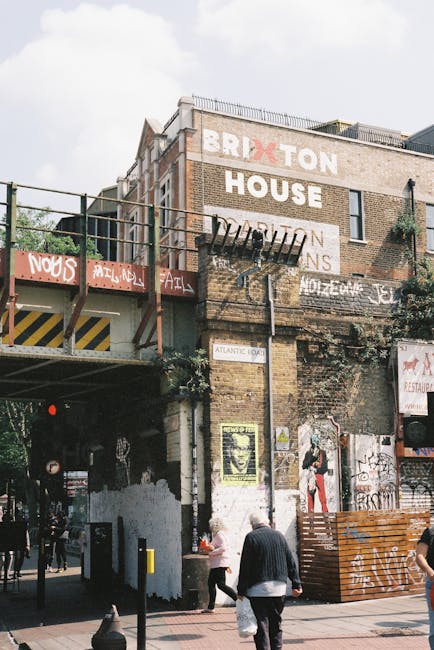
Brixton Hill rubbish clearance for terrace homes: a practical local guide
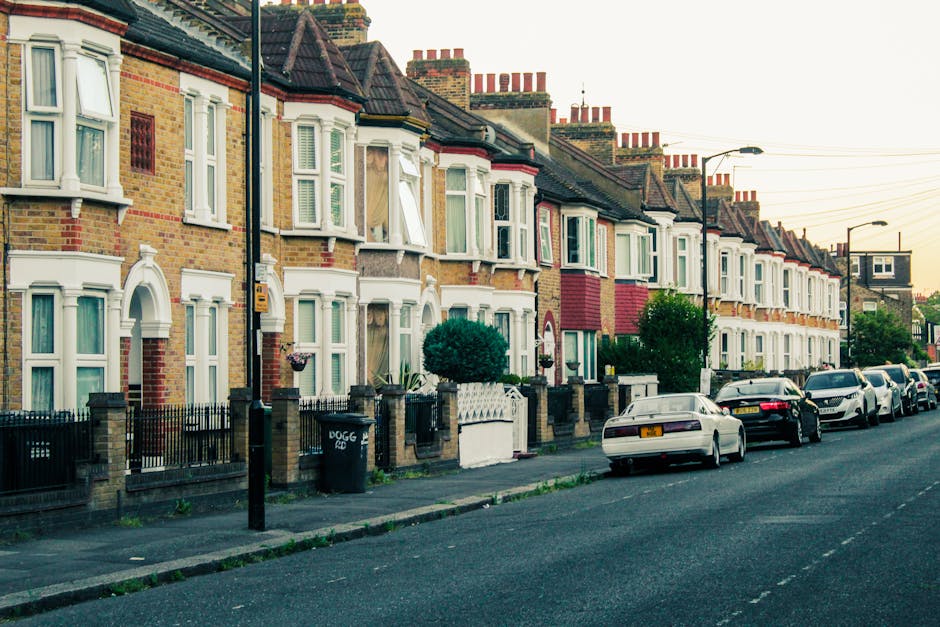
If you live in a Brixton Hill terrace, you already know the challenge: tight front steps, shared side access, no spare alley to hide a pile of junk, and neighbours who will definitely notice if a sofa sits outside for too long. Brixton Hill rubbish clearance for terrace homes is really about making that process simple, tidy, and safe without turning your street into an obstacle course.
Whether you are clearing a loft, dealing with end-of-tenancy waste, getting rid of garden cuttings, or removing builders' debris after a renovation, the best approach is usually the one that respects the building, the street, and your time. In this guide, we'll break down how terrace-home clearance works, what to expect, the common hiccups, and how to choose the right method for your property. We'll also touch on practical compliance points, recycling, and the kind of planning that saves you a headache later. Truth be told, a bit of preparation goes a long way.
Why Brixton Hill rubbish clearance for terrace homes matters
Terrace homes in Brixton Hill often come with charm first and storage second. You get character, period details, and a proper neighbourhood feel, but not always the kind of access that makes bulky waste easy. That matters more than people think. A missed mattress in a narrow hallway can delay decorating work. A pile of renovation rubble can make a rear yard unusable. And garden waste left too long can attract damp smells, flies, or just a general sense of clutter that starts to weigh on a home.
There's also the street-facing side of things. In a terrace, one person's temporary pile can become everyone's annoyance. Reputable clearance work helps keep pavements clear and reduces the risk of complaints, trips, or damage to shared boundaries. For many households, it is not just about "getting rid of stuff"; it is about restoring order in a home that has limited room to breathe.
If you're newly settled in the area, you may also be balancing moving boxes, furniture assembly, and the usual London pace. A dependable local approach fits better than trying to improvise with one too many car trips. And if you want to understand the area itself a little better, the wider local context is worth a look in this resident's view of Brixton and the broader guide to Brixton's character.
Practical takeaway: terrace-home clearance works best when the waste is removed quickly, access is planned properly, and nothing is left blocking pavements, steps, or shared entryways.
How Brixton Hill rubbish clearance for terrace homes works
At a basic level, rubbish clearance is the collection, loading, transport, and disposal or recycling of unwanted items. For terrace homes, the process is usually tailored around access. That means the team may need to work through a narrow hallway, a front path, a rear garden gate, or a shared passage. Sometimes the simplest part is the collection itself; the real skill is getting bulky items out without scratching walls or dragging debris through the house.
Most clearances follow a straightforward sequence:
- You identify what needs to go and separate obvious keepers from waste.
- You describe the load accurately so the collection can be planned properly.
- The team arrives, assesses access, and confirms what will be removed.
- Items are loaded safely, with care taken around stairs, doors, and communal areas.
- Waste is taken for sorting, recycling, reuse, or disposal as appropriate.
That sounds simple, and often it is. But terrace homes add little complications: a low-hanging tree branch, a narrow gate, a neighbour's parked car, or a side-return that's barely wide enough for a trolley. Those details matter. They affect timing, loading, and whether the job can be done in one visit or needs a little more planning.
For homes with renovation waste, the service may overlap with builders' waste disposal in Brixton. For garden cuttings and soil, garden waste removal in Brixton is often the closer match. And if the property needs a broader clear-out, house clearance in Brixton may be the more suitable option.
Key benefits and practical advantages
The biggest benefit is obvious: your space becomes usable again. But for terrace homes, the real advantages go a bit deeper.
- Better access inside the property: once bulky waste is gone, you can move about properly, decorate, clean, or repair with less friction.
- Less strain and fewer risks: carrying heavy items down stairs or through tight hallways is where people twist backs and chip plaster.
- Cleaner kerbside presentation: useful in a terrace row where neighbours are close and front spaces are visible.
- More efficient renovation work: builders and decorators work better when debris is removed promptly, not left forming a second project.
- Better recycling outcomes: separated waste is easier to sort and may reduce what ends up treated as general rubbish.
There's also a quiet psychological benefit. Clutter has a way of making a small home feel even smaller. Once the loft, under-stairs area, or back room is clear, the whole property feels lighter. Less crowded. More manageable. You notice it the moment you walk in.
If you are comparing service levels or trying to understand what's available, the broader services overview can help you match the job to the right type of clearance. And for people who want to know how a local company approaches recycling and responsible handling, the recycling and sustainability page is a sensible place to start.
Who this is for and when it makes sense
This kind of clearance suits a lot of very normal situations. It is not just for major house moves or full refurbishments. In fact, terrace homes often need rubbish removal in smaller but more frequent bursts.
Typical situations include:
- moving out or moving in and needing a quick clear-down
- clearing loft junk, old furniture, or boxes from a long-unused room
- post-renovation cleanup after plastering, flooring, or kitchen work
- garden tidy-ups where cuttings, broken pots, or old fencing need removing
- end-of-tenancy clearance for landlords or tenants
- dealing with inherited household contents that cannot be kept
- office or mixed-use property cleanouts in a terrace-style building
It also makes sense if you simply do not have the time, vehicle space, or physical help to do the job yourself. Let's face it, loading a wardrobe into a hatchback in the rain sounds heroic until you are halfway through it. Not ideal.
If you're researching the local area and thinking ahead about property upkeep, the topics covered in buying in Brixton and investing in Brixton real estate can also give useful context for anyone managing a terrace home as an asset as well as a home.
Step-by-step guidance
If you want the job to go smoothly, the best results usually come from a little prep. Nothing dramatic. Just a practical run-through.
1. Walk the property first
Look at every area where waste may be stored: loft, cellar, shed, front garden, rear yard, spare room, and under stairs. Check door widths, steps, and whether anything may need to be dismantled before it can leave the property.
2. Sort into clear categories
Make three piles if you can: keep, remove, and unsure. "Unsure" is useful. It stops you throwing out useful things in a rush. A lot of people discover a box of tools they meant to keep only after the van has gone. Happens more than you'd think.
3. Flag awkward or heavy items
Mattresses, wardrobes, broken appliances, shed panels, radiators, and heavy rubble all need to be mentioned early. The more accurate the description, the better the plan. This is especially true in terrace homes where access can be the deciding factor.
4. Check access details
Think about parking, resident-only restrictions, shared driveways, locked gates, and whether the waste is at the front or back of the property. A few minutes of thinking here can save a frustrating delay on collection day.
5. Protect floors and corners
If rubbish is coming out through the house, protect hallways and the most delicate surfaces. Cardboard or cloth coverings can help. You do not need to overdo it, but a little protection saves a lot of annoyance.
6. Confirm what happens after collection
A good provider should be able to explain whether items will be reused, recycled, or disposed of appropriately. You do not need a lecture, just clarity. It's reassuring when the process is plain and not wrapped in jargon.
7. Keep the space clear for the handover
On the day, make sure the path is open and children, pets, or visiting contractors are not in the way. A bit of calm organisation makes the collection feel almost effortless.
Expert tips for better results
Here's the bit people often skip, then regret later. A few small choices make a big difference.
- Disassemble where sensible: taking apart bed frames or flat-pack furniture can save time and make access much easier.
- Bundle similar materials together: keep wood, metal, cardboard, and general junk separate if possible. It helps with sorting and recycling.
- Do not overfill the front pavement: if you are staging waste outside temporarily, keep it neat and contained. Terrace streets are not the place for an open-ended pile.
- Take photos of the load: not for drama, just for accuracy. A quick picture can make quoting and planning much more reliable.
- Tell the team about stairs early: a narrow stairwell changes the whole approach.
- Think about neighbours: early notice is courteous if access may be blocked for a short while. That small bit of goodwill matters.
And one more, maybe the most underrated tip: clear the route before the team arrives. A hallway full of shoes, bikes, and bins turns a simple job into a slow one. You know how it goes.
If you want a broader sense of the company behind the service, the about us page and the insurance and safety page are worth a look. Those pages help set expectations around professionalism, care, and how the work is handled.
Common mistakes to avoid
Most problems with terrace-home clearance come from rushing. Not always, but often enough.
- Guessing the load size: if you under-describe what needs to go, you may end up with an awkward rebook or incomplete collection.
- Leaving access prep until the day: a blocked gate or a locked side passage can derail the schedule.
- Mixing hazardous items with general waste: items like paint tins, chemicals, gas cylinders, or certain electrical goods need special handling. Don't just tuck them in a black bag and hope for the best.
- Forgetting shared boundaries: terrace homes often mean shared walls, shared lanes, or close neighbour contact. Respecting that space avoids friction.
- Assuming everything can go in one heap: different materials may need different handling, especially in a renovation clear-out.
- Leaving clearance too late in a project: the best time to book is before the mess becomes unbearable. There's always one more box than you expect.
A lot of these mistakes are avoidable if you pause for ten minutes and look at the whole job, not just the obvious junk. That small pause can be the difference between a smooth visit and an unnecessarily stressful one.
Tools, resources and recommendations
You do not need a truckload of equipment to organise a good clearance, but a few practical tools help.
- Heavy-duty gloves: useful for sorting sharp or dusty items.
- Sturdy sacks and boxes: better than overstuffed bags that split halfway down the stairs.
- Tape measure: helpful if you suspect furniture needs dismantling.
- Dust sheets or cardboard: useful for protecting corridors and stair edges.
- Marker pen and labels: simple, but good for separating keep, recycle, and remove.
- Phone camera: quick visual record for awkward items or access constraints.
In terms of planning resources, start with a clear service overview, then check the page on pricing and quotes so you understand how estimates are typically approached. If your job sits closer to mixed property waste than general household junk, waste clearance in Brixton may be the broader fit. If it is purely general rubbish, rubbish removal in Brixton is the more direct fit.
One small recommendation from experience: avoid leaving everything until after a big life event, like a move or a renovation deadline. It is much calmer to deal with waste in one or two controlled sweeps than in a panic on a Sunday afternoon. Cleaner, quicker, less swearing. Usually.
Law, compliance, standards, or best practice
For homeowners, the main point is simple: your waste should be handled by a provider that follows appropriate UK waste-handling practice and can transport rubbish responsibly. You do not need to become a compliance expert, but it is wise to understand the basics.
In plain English, that means:
- waste should not be fly-tipped
- reusable and recyclable materials should be separated where practical
- potentially hazardous items should be identified before collection
- access and loading should be managed safely around people and property
- paperwork, receipts, or transfer details should be available where relevant
For terrace homes, there is also a common-sense street responsibility. Do not place waste in a way that blocks public access for longer than necessary. If items must wait briefly outside, keep them contained and supervised. The aim is to be tidy, not just technically finished.
If you are working with contractors during a refurbishment, you may also want to coordinate with the team's insurance and safety expectations. That matters if waste removal is happening alongside other trades, and especially in compact terrace layouts where everyone is in each other's way for a few hours.
Options, methods, or comparison table
Terrace-home clearance can be approached in a few different ways. The right method depends on the volume of waste, access, timing, and how much lifting you realistically want to do yourself.
| Method | Best for | Pros | Trade-offs |
|---|---|---|---|
| DIY trips to the tip | Very small loads | Can seem cheaper; full control over timing | Time-consuming; vehicle needed; lifting and sorting are on you |
| Skip hire | Larger renovation or garden jobs | Good for ongoing projects; accepts mixed loads | Takes space; access and permits may be an issue on terrace streets |
| Man and van-style clearance | Household, garden, or mixed waste | Fast; labour included; convenient for narrow access | Needs accurate load description; pricing depends on volume and item type |
| Full house clearance | Whole-property or inherited contents | Efficient for major clear-outs; less stress for the homeowner | May be more than you need for a small job |
For many Brixton Hill terraces, the man-and-van approach is the sweet spot. It avoids a skip sitting outside for days, and it is often easier when parking is limited. But if you are doing a big structural job, builders' waste disposal may be more suitable.
Case study or real-world example
Imagine a typical Brixton Hill terrace with two bedrooms upstairs, a loft room used for storage, and a narrow rear garden. The homeowners have just finished painting downstairs and want to clear a cracked wardrobe, an old chest freezer, three bags of mixed clutter, and a stack of garden cuttings that have been sitting by the back fence for weeks.
At first glance, it sounds straightforward. But the reality is a bit more nuanced. The wardrobe will not fit down the stairs in one piece. The freezer is awkward and heavy. The garden cuttings are damp from an overnight shower, so they weigh more than expected. The back gate opens only halfway because of a bin store. Nothing major. Just enough to make a quick job feel fiddly.
What helped most in this case was simple preparation: the route through the house was cleared, the wardrobe doors were removed in advance, and the waste was grouped near the rear exit rather than spread between rooms. The result was a tidy collection with minimal disruption. The garden looked usable again, the hallway stayed protected, and the family could get back to normal by lunchtime.
That is the kind of result people usually want. Not drama. Just the house back.
Practical checklist
Use this before booking or on the day of clearance.
- Identify every item to be removed.
- Separate anything you want to keep.
- Note heavy, fragile, or awkward items.
- Check whether access is front, rear, or both.
- Measure doorways if bulky furniture is involved.
- Move pets, children, and parked cars out of the way.
- Protect floors in hallways or stairwells if needed.
- Keep hazardous or unclear items aside for review.
- Confirm whether the job is household, garden, builders', or mixed waste.
- Ask how the waste will be handled after collection.
- Have payment details or booking details ready if required.
- Double-check that nothing important has been accidentally included.
This checklist is small, but honestly, it covers most of the preventable headaches.
Conclusion
Brixton Hill rubbish clearance for terrace homes is really about combining practicality with respect for the property. Terrace houses are lovely, but they are not generous with space. The best clearance plan takes that reality seriously: narrow access, shared walls, limited storage, and the need to keep the street tidy while the work is underway.
If you sort the waste early, think through access, and choose the right service for the job, the whole process becomes much easier. You protect your home, reduce stress, and get back to using the space properly. That might sound simple, but in a busy area like Brixton Hill, simple is often exactly what you need.
For anyone comparing service options, it is also worth browsing the wider local information on the company's service pages, plus practical guidance on payment and security and the site's terms and conditions. A bit of clarity now saves uncertainty later.
Get a free quote today and see how much you can save.
And if you are planning a terrace-home clear-out soon, take it one step at a time. A calm, well-organised clearance can make a house feel lighter in ways you notice the moment you open the front door.


 Tipper Van - Junk Disposal and Rubbish Removal Prices in Brixton, SW9
 Luton Van - Junk Disposal and Rubbish Removal Prices in Brixton, SW9